The late fall planting window in the Flathead Valley is real and worth using, trees, shrubs, and bulbs can still go in the ground right up until it freezes solid, and cooling soil actually favors root establishment over the stress of a summer planting. The cutoff isn't a calendar date, it's whether the ground is still workable.
Why Fall Planting Works in Zone 4b
Trees and shrubs planted in fall spend the following months growing roots into cooling, still workable soil without the added stress of summer heat and the aggressive watering that comes with it. By the time spring arrives, a fall planted tree or shrub already has a head start on root establishment that a spring planted one has to catch up to during its first hot stretch. Zone 4b's shoulder seasons are shorter than warmer climates get, which makes using the full fall window worth more here than it might somewhere with a longer growing season to fall back on.
The Real Cutoff: Workable Soil, Not a Date
The planting window doesn't end on a fixed date, it ends when the ground actually freezes solid enough that digging isn't practical anymore. In a mild fall that can push into late October or even early November, in a fall with an early hard freeze it closes sooner. Watching soil conditions, rather than counting down to a specific date, is the more reliable way to know when the window has actually closed for the year.
Trees and Shrubs: What to Watch For
Woody plants, trees and shrubs, are the best candidates for late fall planting because they're already dormant or heading into dormancy, which means less top growth stress while roots are establishing. Water thoroughly at planting and continue watering through any remaining warm, dry stretches until the ground actually freezes, since a newly planted tree or shrub still needs moisture to establish roots even while it's not putting out visible growth above ground. Skip fertilizing at fall planting time, pushing new tender growth right before a hard freeze does more harm than good.
Bulbs: Cold Soil Is the Point
Spring flowering bulbs, tulips, daffodils, crocus, actually need a period of cold soil to bloom properly the following spring, so planting them in the cooling soil of late fall isn't a compromise, it's exactly what they're built for. A light frost on the surface doesn't affect bulbs planted a few inches down, and they can go in right up until the ground is too frozen to dig a hole for them. This is one case where "late" isn't really late at all, it's the intended timing.
Watering In: Don't Skip It Because It's Cold
New plantings still need water to settle soil around the roots and eliminate air pockets, regardless of how cool the air has gotten. A thorough watering right after planting, followed by continued watering through any dry stretches before freeze up, matters just as much in October as it does in June, even though it's easy to assume cooler weather means the plant needs less attention.
Mulch After Planting, Not Before
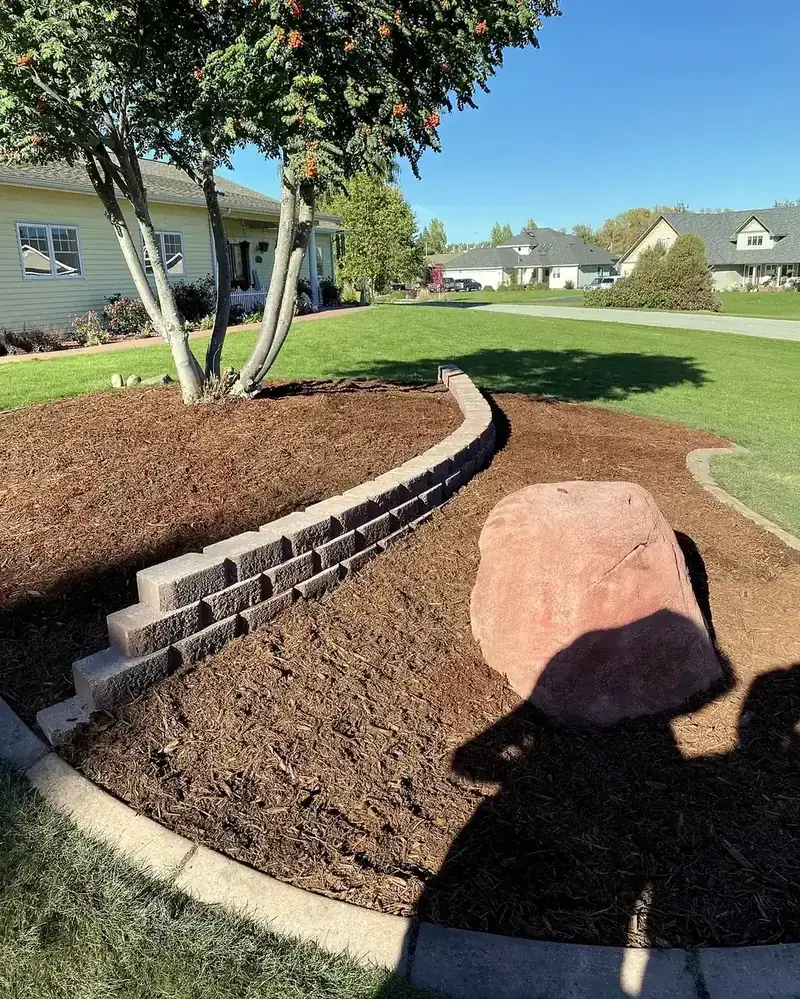
A layer of mulch over the root zone after fall planting helps regulate soil temperature swings and retain moisture through the freeze thaw cycles that follow. Keep mulch a few inches back from the trunk or main stem rather than piled against it, mulch stacked directly against bark holds moisture against the plant and invites rot and pests rather than protecting it. This is a small detail that's easy to get backward and worth doing right the first time.
What Not to Plant This Late
Perennials and anything that needs a full season of active root growth to establish before winter generally don't handle a very late planting as well as trees, shrubs, and bulbs do. A perennial planted right before freeze up hasn't had time to build the root system it needs to survive winter dormancy, and the risk of losing it over winter goes up the later it goes in. If you're deciding what to prioritize in a shrinking window, woody plants and bulbs are the safer late season bets over tender perennials.
Wind and Exposure Near Flathead Lake
Properties closer to Flathead Lake deal with more wind exposure through fall and winter than sites further inland, and that wind can dry out newly planted trees and shrubs faster than the calendar alone would suggest. A new planting in an exposed, windy spot benefits from a slightly heavier mulch layer and closer attention to watering right up until freeze up, since wind pulls moisture out of soil and young stems even when the air temperature itself is dropping. Choosing a planting location that has some wind break, a fence, a building, or established trees, gives a new planting an easier first winter than an exposed, open spot would.
Related Reading
Our native plants for Zone 4b guide covers species that are already suited to this climate and generally handle a fall planting well, and our deer resistant plants guide is worth checking before choosing what goes in this fall, since deer pressure on new plantings doesn't let up just because the season is winding down.
What Iron Peak Does
We plant trees, shrubs, and bulbs through the full late fall window the Flathead Valley's soil actually allows, not a fixed calendar cutoff, and we handle the mulch and bed work that protects new plantings through their first winter. Our rock & mulch installs page covers how we mulch new plantings for winter, and our yard clearing & cleanups page covers the rest of the fall task list this fits alongside. We plant across the valley, including Kalispell and Whitefish.
Want to use this fall's planting window before it closes? Get an estimate and we'll get it scheduled.