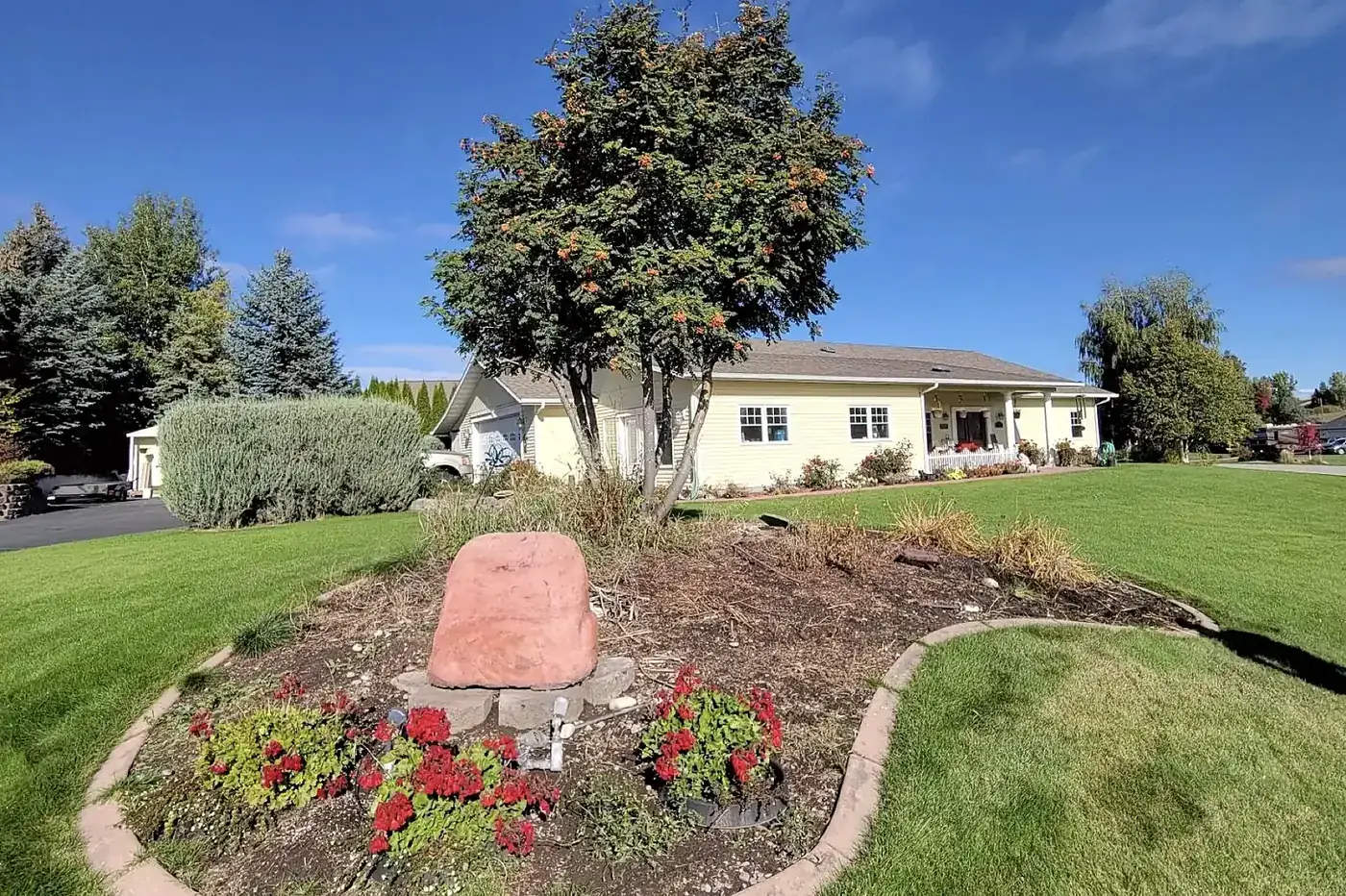
Native plants perform better in Northwest Montana for a simple reason: they evolved for this exact combination of cold winters, dry stretches, and clay soil, so they need less watering, less protection, and less replacing than ornamentals bred for milder climates. That's the whole case for building beds around species that are already suited to the ground you're planting them in.
Why Native Plants Thrive Here
Northwest Montana spans a range of USDA hardiness zones depending on elevation and microclimate (USDA NRCS Plant Materials: Montana), and species native to this region are the ones that have actually adapted to that range over time, not plants selected for a nursery catalog that assumes a milder climate. That adaptation shows up in less winter dieback, less drought stress, and generally less maintenance overall.
Native Perennials Worth Planting
Species like penstemons, blanketflower, and yarrow are commonly recommended for this region, they're drought-tolerant once established, handle our cold winters, and don't demand the kind of babying that some ornamental perennials need through a Montana freeze-thaw cycle (Native Landscaping Plants for Montana).
Native Shrubs for Year-Round Structure
Shrubs like serviceberry and rabbitbrush give a bed structure through the seasons, serviceberry flowers in spring and holds fall color, rabbitbrush handles dry, poor soil where other shrubs struggle. Both are suited to this climate without the winter protection ornamental shrubs sometimes require here.
Native Grasses for Slopes & Erosion
Grasses like Idaho fescue and bluebunch wheatgrass root deeply, which does double duty: it makes them genuinely drought-tolerant, and those same deep roots help stabilize slopes and resist erosion in the clay soils common around the valley. That's a practical reason to reach for native grasses on any sloped bed, not just an aesthetic one.
Deep Roots & Frost Heave Resistance
Deep, established root systems also handle freeze-thaw ground movement better than shallow-rooted plants, which matters in a climate where the ground itself moves seasonally. It's a secondary benefit of drought tolerance, the same root architecture that finds water in a dry August also anchors the plant through a March freeze-thaw cycle.
Design Tips: Layering Natives
Native beds read best layered, taller grasses and shrubs toward the back or center, perennials and groundcovers filling in front, so the bed has structure through more of the year instead of one bloom window and then nothing. It also gives pollinators and birds more to work with across seasons, which is a nice byproduct even if it's not the main goal (Blake Nursery: Montana Natives).
Natives Aren't a One-and-Done Purchase
One misconception is that native means zero maintenance from day one. Newly planted natives still need regular watering through their first season while roots establish. The drought tolerance that makes them worth planting is a mature-plant trait, not a day-one one. Treating a fresh native planting like it can handle neglect immediately is one of the more common ways a good plant choice ends up struggling anyway.
Mixing Natives Into an Existing Landscape
You don't have to tear out an established yard to add natives. A common approach is starting with the beds that struggle most under the current planting, a dry slope, a hot foundation strip, an area that needs constant watering to look decent, and swapping those specific spots to native species suited to that exact condition. Over a few seasons that targeted approach can meaningfully cut down on watering and upkeep without a full-yard renovation.
Natives and Wildlife Beyond Pollinators
The wildlife benefit of native planting goes beyond pollinators, though that's usually the first thing people mention. Berry-producing shrubs like serviceberry feed birds through summer and fall, seed heads left standing through winter on grasses and perennials provide cover and food when little else is available, and the overall plant diversity of a native bed tends to support more insect life at the base of the food chain than a bed built around a handful of ornamental cultivars. None of that requires a wildlife-specific design, it's largely a byproduct of choosing plants suited to this place to begin with.
Matching Plant to Site, Not Just Plant to Zone
Hardiness zone tells you what can survive winter here, but it doesn't tell you whether a specific plant fits a specific spot. Sun exposure, soil drainage, and slope all vary across a single property, sometimes significantly, a bed on the south side of a house behaves nothing like one on the shaded north side, even though both sit in the same hardiness zone. A native plant list is a starting point; matching individual species to individual site conditions is what actually determines whether the planting thrives or just survives.
That site-matching step is also where a lot of well-intentioned native plantings fall short. Putting a drought-tolerant, full-sun species into a shaded, moisture-retaining bed doesn't fail because the plant wasn't native. It fails because the specific spot didn't match what that species needs, regardless of its region of origin. Walking a property with both the plant list and the actual site conditions in mind, rather than picking species off a list first and finding a spot for them second, is what separates a native bed that thrives from one that just gets by.
What Iron Peak Does
We build planting beds around species suited to this specific climate and this specific lot's soil and sun exposure, not a generic nursery list. Our rock & mulch installs page covers how we handle bed material around plantings, and if native planting is part of a larger yard overhaul, our complete landscape renovations page covers how we sequence that work. We plant across the valley, including Columbia Falls and Evergreen.
Want a bed that actually fits your yard's conditions? Get an estimate.