Utility trenching on a Flathead Valley lot comes down to three things: knowing what depth the specific line requires, calling 811 before anything gets dug, and having a plan to restore the yard once the trench is backfilled. Skip any one of those and you either hit something you shouldn't have, fail an inspection, or end up with a scar across the yard that never quite heals right.
What Actually Gets Trenched
Most residential trenching on a valley lot is for one of four things: a water or sewer line running from the house to the street or a well, an electrical line feeding a shop or detached garage, an irrigation main running out to a sprinkler system, or a drain line moving water away from a low spot or a foundation. Each of those has a different depth requirement and a different tolerance for how close it can run to a tree, a septic field, or another existing line, which is part of why trenching plans usually need to be specific to the actual lot rather than borrowed from a neighbor's project.
Depth: Why Frost Line Matters Here
Water and sewer lines in our part of Montana generally need to sit below the frost line to avoid freezing solid over winter, and frost depth here commonly runs 36 to 48 inches depending on elevation and local conditions, similar to the range that applies to structural footings in this region. A line trenched too shallow can freeze in a hard winter even if it worked fine the first year or two, so the depth that matters is the one specific to your address and the utility in question, not a number pulled from a different town or a different lot's paperwork. Power and low-voltage lines typically follow a shallower depth set by the utility's own specification rather than the frost line, so it's worth confirming what applies to the specific line before digging rather than assuming one rule covers everything in the trench.
Call 811 Before Anything Gets Dug
Before any trenching starts, calling 811 gets existing underground utilities marked on your property, gas, power, water, and communication lines that a landowner has no way of knowing the exact location of otherwise. It's free, it doesn't take long, and skipping it is how homeowners and contractors end up hitting a gas line or cutting power to half a block. This step applies even on a project a homeowner considers small or private, an existing line doesn't care whether the person digging near it hired anyone or is doing it themselves.
Permits and Inspections
Depending on what's being trenched, a permit and an inspection may be required before the trench gets backfilled, particularly for water, sewer, and electrical work. Check with Flathead County or your city's building department for what applies to your specific project before work starts, since requirements can differ by what's being run and where the property sits. An inspection typically happens with the trench still open, so scheduling that check before backfilling saves a redo if something needs adjusting.
What Runs Together and What Doesn't
Multiple lines sometimes get run in the same trench to save digging twice, but not every combination is appropriate. Power and water in the same trench, for instance, generally needs separation and specific handling that a licensed electrician or plumber would know. This is one of the reasons utility trenching on anything beyond a very simple line isn't really a do it yourself project, the rules about what can share a trench and how far apart different lines need to stay aren't always obvious from the outside.
Restoring the Yard After Backfill
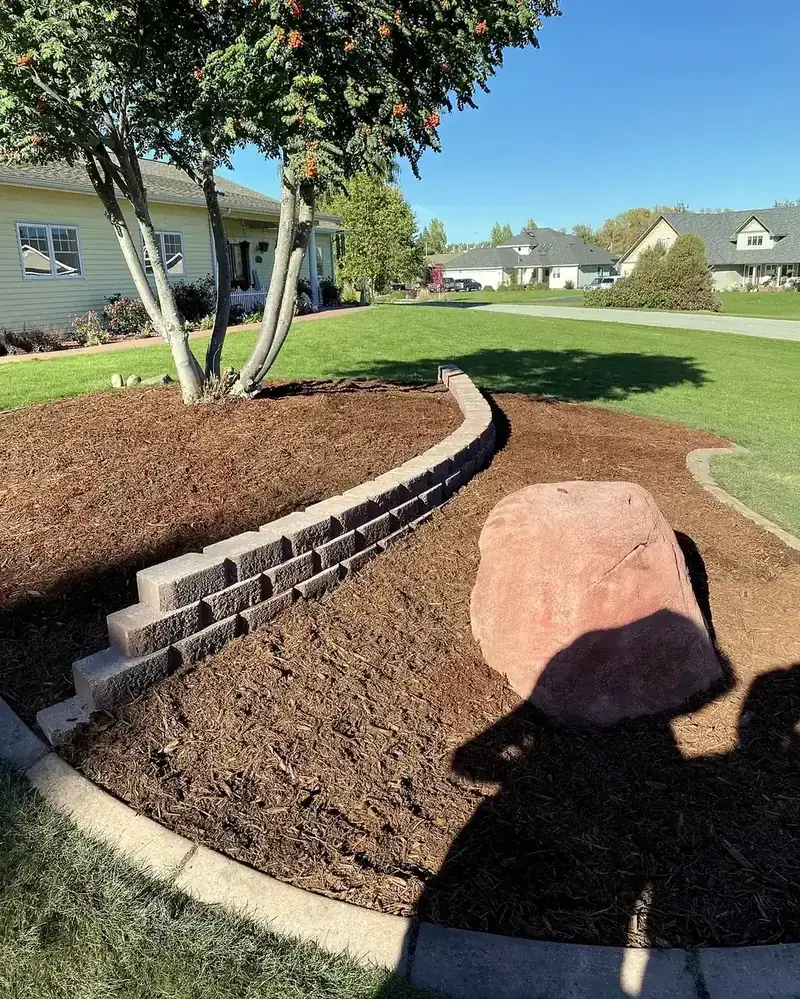
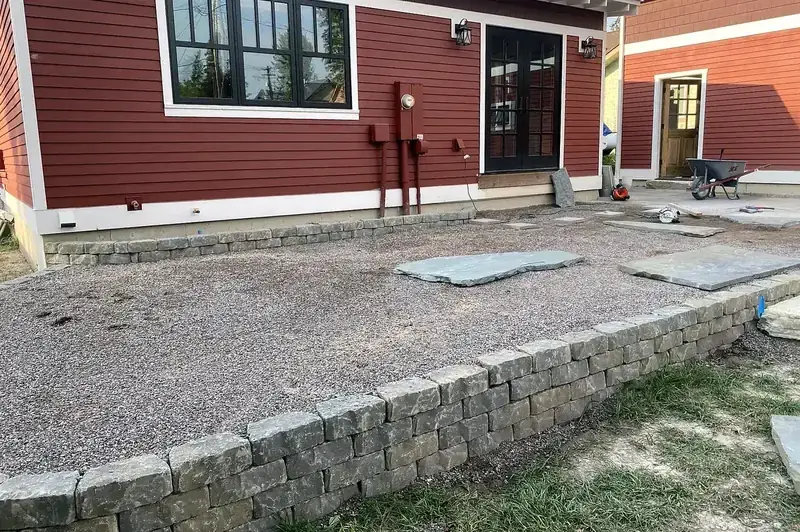
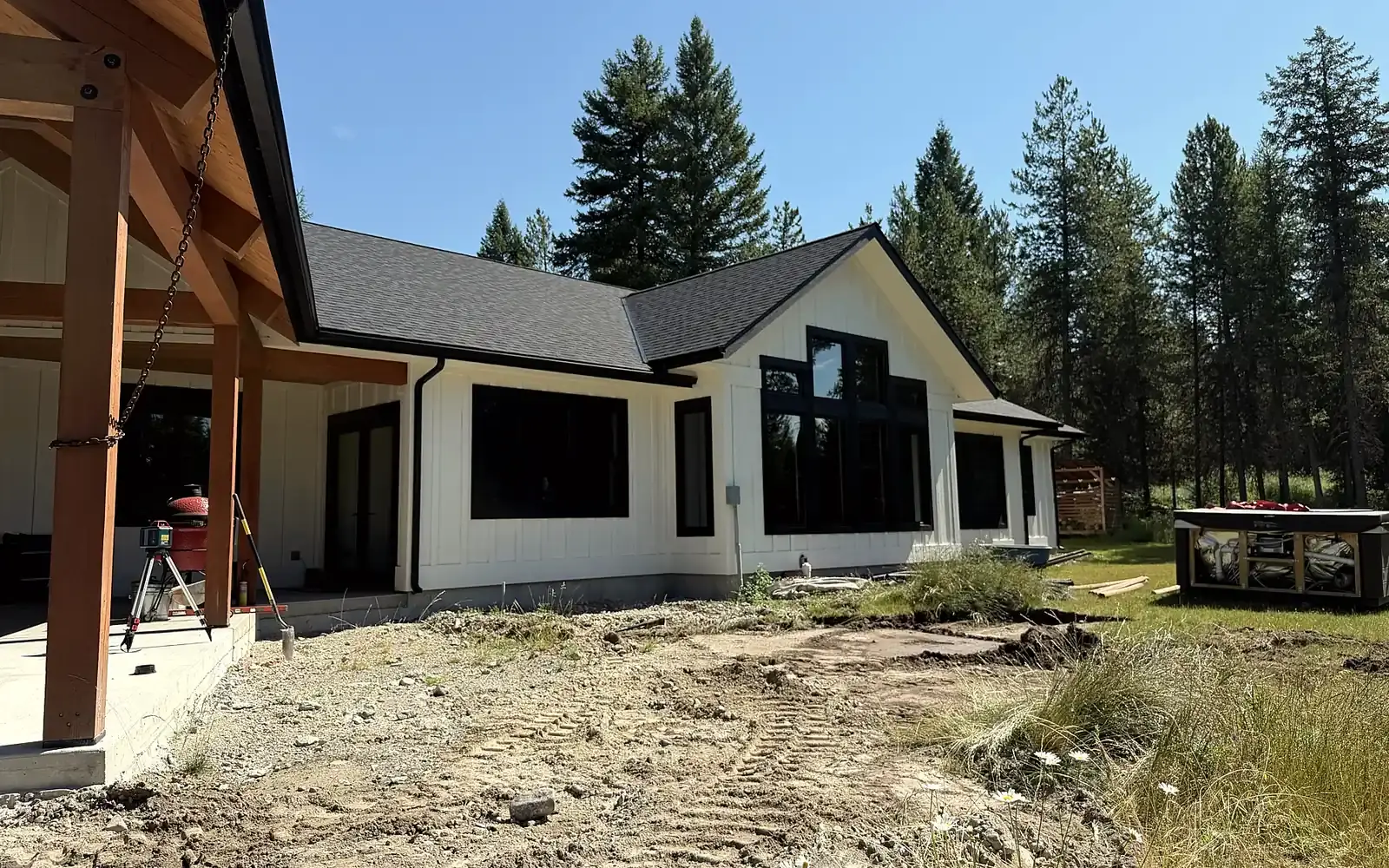
This is where our end of the work usually starts. A freshly backfilled trench settles unevenly for a while as loose soil compacts, which is why a trench line often shows as a shallow dip in the yard weeks or months after the work is done if it wasn't compacted properly going in. Grading the surface back to match the surrounding yard, correcting for that settling, and re-establishing lawn or beds over the disturbed strip is its own separate job from the trenching itself. Sod or seed laid straight over loose backfill without proper grading and compaction first tends to show the trench line as a sunken stripe for years.
Drainage Considerations Around a New Trench
A trench that crosses a slope or runs near a foundation can also change how water moves across a lot if it isn't graded back correctly. Backfill that isn't compacted and sloped properly can turn into a channel that collects and redirects water somewhere it didn't go before, sometimes toward a foundation instead of away from it. This is worth thinking through at the same time as the trenching itself rather than treating drainage as an afterthought once the ground is already closed back up.
What Iron Peak Does
We're not a utility contractor and we don't trench for power, water, or sewer lines. What we handle is what happens around and after that work, grading the disturbed ground back to match the yard, correcting drainage where a trench crossed a slope, and installing new sod or restoring landscaping over the backfilled area. Our sod & turf installation page covers how we handle lawn restoration over disturbed soil, and our landscape renovations page covers larger scale grading and drainage correction. We work lots across the valley, including Bigfork and Lakeside.
Have a trench that needs the yard put back together afterward? Get an estimate and we'll take it from there.