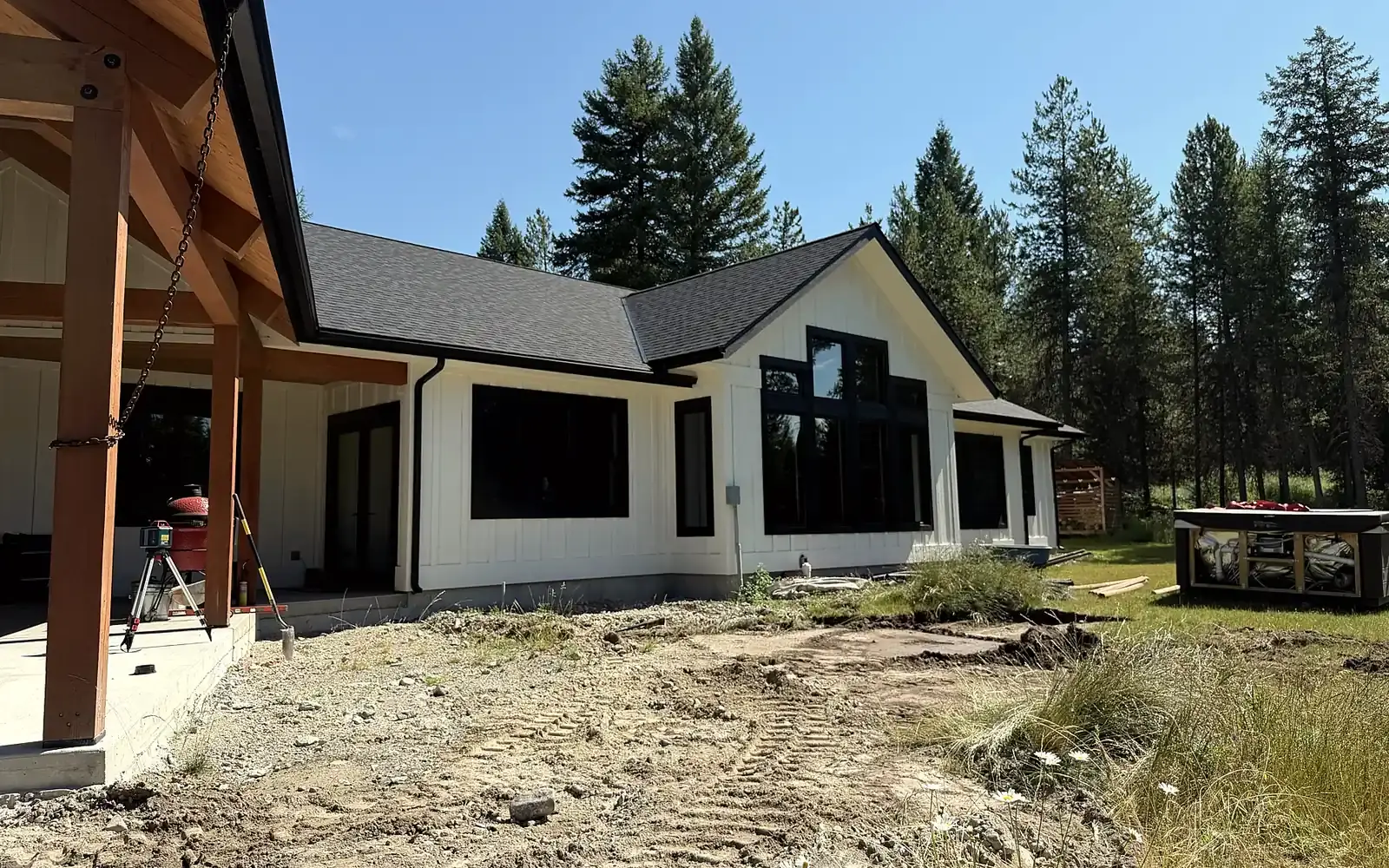
Spring cleanup in the Flathead Valley has a real order of operations, not just a list of tasks in any sequence: clear winter debris first, prune before growth starts, refresh mulch once beds are clean, then handle lawn work and a hardscape check last. Doing it out of order means redoing work: mulching before you've pruned, for instance, just means dragging branches across fresh mulch.
April: Debris Removal After Winter Damage
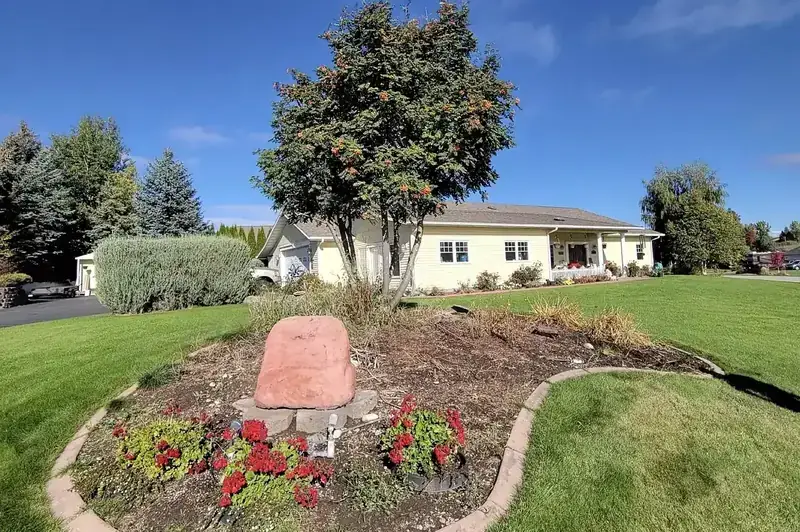
Montana winters leave a mess, pine needles, fallen branches, windblown debris, and matted leaves that got buried under snow all winter. That debris smothers grass and beds if it sits through the start of the growing season, so clearing it is always step one, before anything else on the list (4 Seasons Landscaping: Lawn Cleanup). Skipping straight to mulch or planting over a debris layer just buries the problem instead of removing it.
Trim & Prune Before Growth Starts
Dead and winter-damaged branches are easiest to spot and remove before new growth fills in around them. Pruning ahead of the growing season also directs a plant's energy toward healthy growth instead of pushing new leaves through damaged wood. This step comes before mulch refresh for a practical reason, you don't want to be dragging cut branches across a bed you just topped off.
Mulch Refresh: April Timing
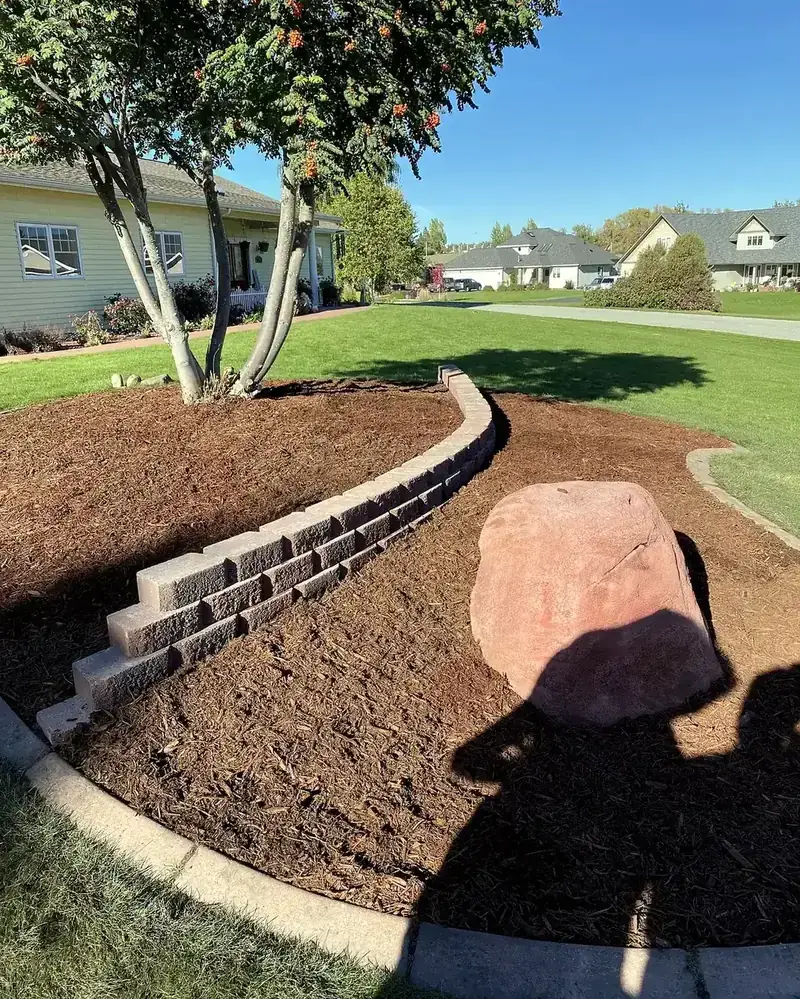
April is the window for refreshing mulch here, beds are cleared of winter debris, plants haven't fully leafed out yet making access easier, and fresh mulch put down now gets ahead of the weed pressure that ramps up through May and June (4 Seasons Landscaping: Lawn Cleanup). Wait too long and you're mulching around weeds that already got a head start instead of ahead of them.
Lawn Aeration & Seeding Timing
Lawns compact over winter, and aeration in spring opens the soil back up before the grass's main growth push. Seeding, if needed, works best once soil temperature has warmed enough for germination, trying to seed into cold, wet soil in early spring usually wastes seed rather than establishing grass.
Flower Bed Prep & Seasonal Color
Once beds are cleared, pruned, and mulched, they're ready for new plantings or seasonal color. Doing this step after mulch refresh, not before, keeps you from having to move fresh mulch out of the way to plant into it.
Pre-Summer Hardscape & Drainage Check
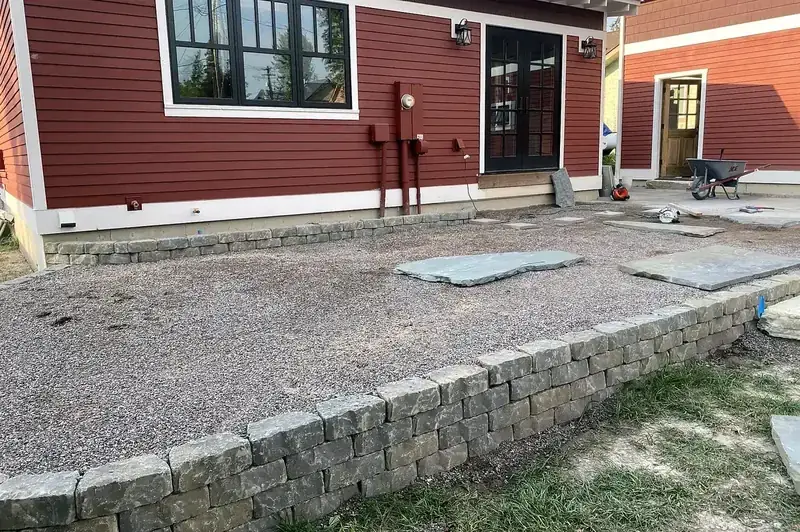
The step that gets skipped most often: walking patios, walls, and drainage before the season really starts. Winter frost heave and settling show up as small movements, a slightly lifted paver, a hairline gap at a wall joint, a downspout that's no longer draining where it should. Catching those in spring, while they're small and cheap to correct, beats finding them mid-summer after a season of use made them worse.
Why the Order Actually Matters
It's tempting to jump straight to the visible, satisfying parts of spring cleanup (fresh mulch, new color in the beds) and skip ahead of debris removal and pruning. The problem is practical, not aesthetic: mulching over debris just buries it instead of removing it, and mulching before pruning means dragging cut branches across a bed you just finished. Working the list in sequence, rather than by whatever looks most rewarding first, is what keeps a spring cleanup from turning into redone work by the following weekend.
What a Rushed Spring Cleanup Misses
A fast, surface-level spring cleanup, clear the obviously visible debris, skip the rest, tends to miss exactly the things that matter most: debris tucked under shrubs and against fence lines, dead wood that's easy to overlook until it's fully leafed out and harder to see, and hardscape movement that's subtle in April but obvious by August. None of those are hard to catch with a thorough pass in the right order; they're just easy to miss with a rushed one.
How Timing Shifts Lot to Lot
Even within the Flathead Valley, spring timing isn't identical everywhere. A lot with more shade or higher elevation holds snow and stays wet longer than an open, south-facing lot a few miles away, which shifts when the ground is actually dry enough to work without compacting the soil. Rather than treating "April" as a hard rule for every property, the better approach is watching the ground itself, if it's still soft and muddy underfoot, waiting another week or two beats pushing ahead on a fixed date and compacting wet soil, which creates its own problems for lawn and root health later in the season.
Aftercare: What Happens After the Cleanup
A completed spring cleanup isn't the end of the seasonal work, it sets up everything that follows. Freshly cleared beds and pruned plants need consistent watering as the growing season ramps up, especially anything newly planted. Fresh mulch needs a season to settle before it's due for another look. Treating spring cleanup as the reset point for the year, rather than a standalone task, makes the rest of the season's maintenance more predictable.
What Iron Peak Does
We handle the debris removal and yard clearing that has to come first, and can flag hardscape or drainage issues while we're already on site instead of leaving that for you to catch later. Our yard clearing & cleanups page covers what a spring visit typically includes. If your beds need a mulch or rock refresh as part of the same visit, that's on our rock & mulch installs page. We work spring cleanups across the valley, including Kalispell and Whitefish.
Want your yard handled in the right order this spring? Get an estimate.